How to Compare Financing Options for Your First Boat
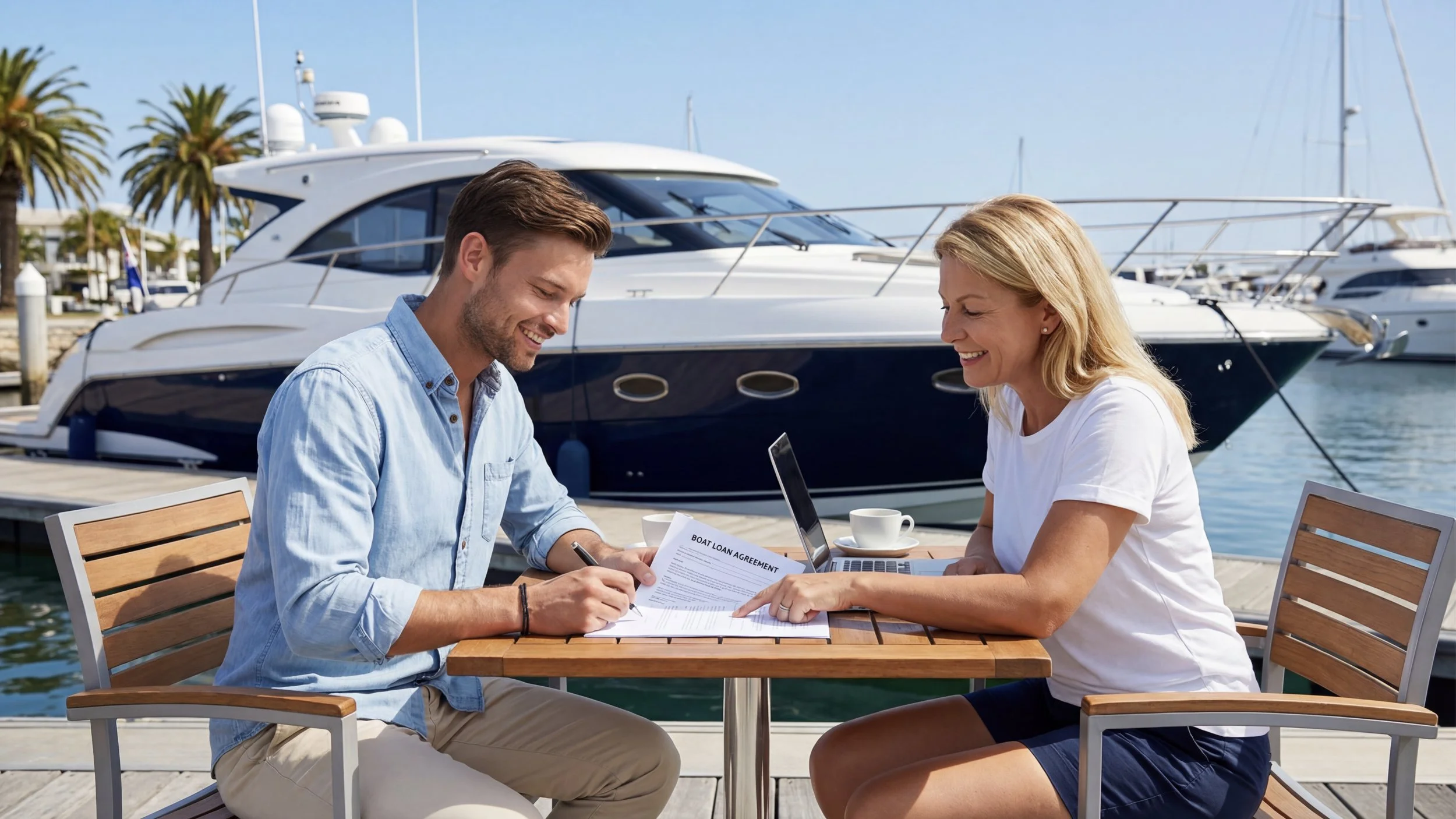
Buying your first boat is exciting, but the financing side can feel unfamiliar if you have never done it before. Boats are different from cars, and the way loans are structured reflects how people actually use and keep them. Understanding your options before you sign anything helps you stay comfortable long after the new boat smell fades.
Financing is not about chasing the lowest monthly payment. It is about choosing a structure that fits your life, your budget, and how you plan to use the boat. A good loan should support your boating experience, not limit it.
Understand the Main Types of Boat Financing
Most first time buyers will encounter two common options, dealer arranged financing and direct loans through banks or credit unions. Dealer financing is convenient and often designed specifically for boats, with terms that match typical ownership cycles. Banks and credit unions may offer competitive rates, especially if you already have a relationship with them.
Neither option is automatically better. What matters is how the rate, term length, and total cost align with your financial comfort level.
Look Beyond the Monthly Payment
It is easy to focus only on what you will pay each month, but that number does not tell the full story. Longer loan terms can lower monthly payments, but they often increase the total interest paid over time. Shorter terms usually cost more each month but save money overall.
Ask to see the full loan breakdown. Knowing the total cost of the boat after interest gives you a clearer picture of what you are committing to.
Check Rates, Terms, and Fees Together
Interest rates matter, but they are only one piece of the puzzle. Pay attention to loan length, down payment requirements, and any fees tied to the loan. Some lenders offer attractive rates but require larger down payments or shorter terms that may not fit your situation.
A balanced loan offers reasonable payments, a fair rate, and flexibility if your plans change.
Think About Down Payment Strategy
Putting more money down reduces the amount you finance and can improve your loan terms. It also gives you instant equity in the boat, which feels good when it comes time to trade or sell.
That said, do not stretch yourself thin just to increase a down payment. You still need room in your budget for insurance, maintenance, and enjoying time on the water.
Understand Insurance and Registration Requirements
Most lenders require insurance coverage for the duration of the loan. That cost should be part of your budgeting conversation from the start. Registration, taxes, and documentation fees may also be rolled into financing, depending on the lender.
Knowing these details upfront prevents surprises at closing.
Ask About Early Payoff and Flexibility
Life changes. Boats change. Ask if there are penalties for early payoff or refinancing. A loan that allows flexibility gives you options if you want to upgrade sooner or pay the balance down faster.
A good lender will explain these terms clearly and without pressure.
Financing your first boat should feel steady, not stressful. The right option supports your lifestyle, protects your budget, and lets you enjoy the water without second guessing every decision.
Take your time. Ask questions. Choose the path that keeps boating fun from the first payment to the last.
#letsgoboating #letsgoboatingtv