Choosing a GPS Navigation System for Your First Boat
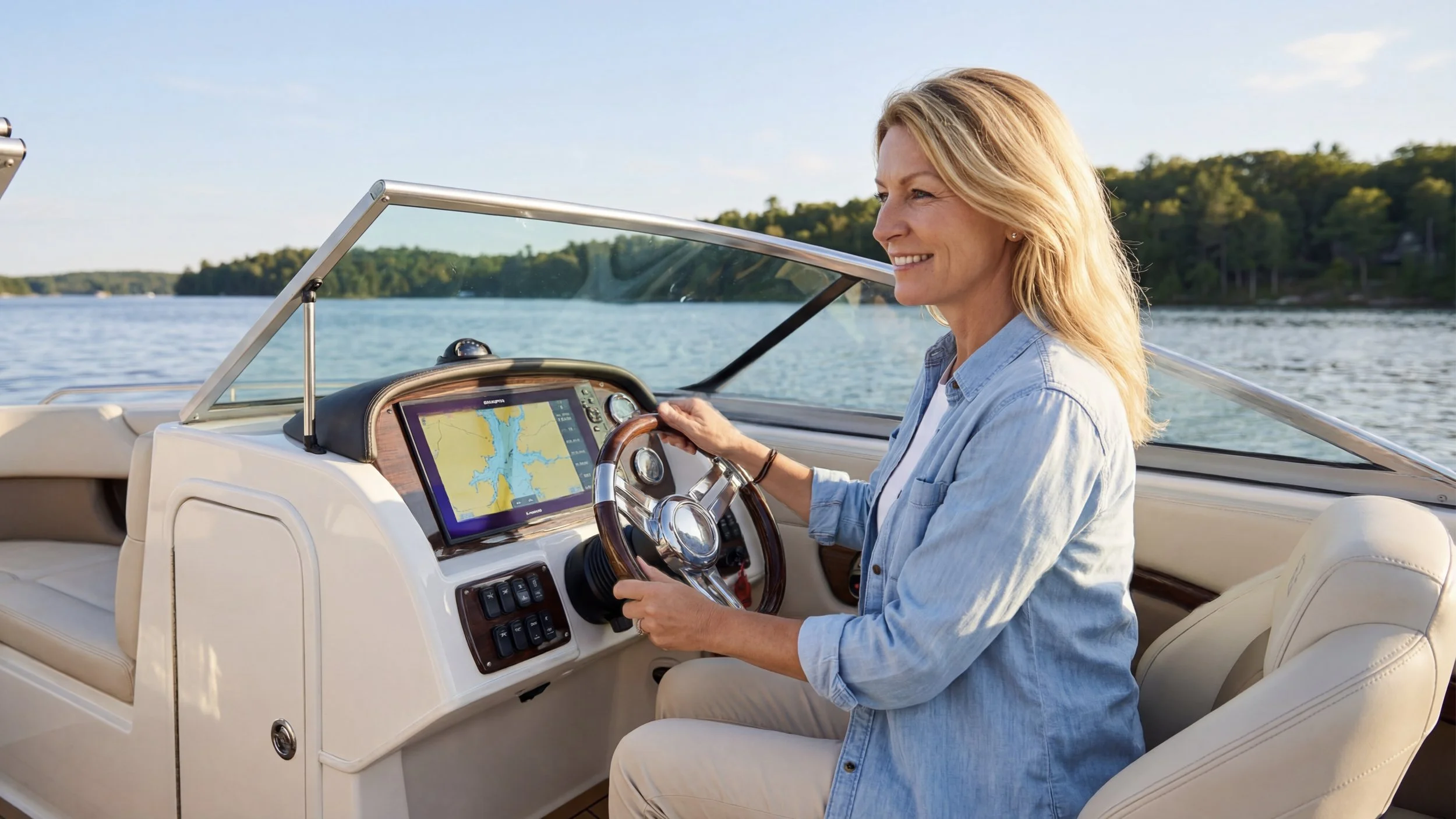
The first time you push away from the dock on your own boat, everything feels new. Open water looks wider. Shorelines feel farther away. That is where a good GPS navigation system earns its place at the helm.
For a beginning boater, a GPS is not about fancy charts or offshore runs. It is about confidence, orientation, and knowing exactly where you are when things start to look unfamiliar. Choosing the right system early helps you learn the water faster and boat with less stress.
Start With Simplicity and Readability
Your first GPS should be easy to understand the moment you power it on. Large icons, clear text, and an uncluttered screen matter more than advanced features. If you have to dig through menus to find basic information, it is not the right unit for learning.
Screen size is also important. A slightly larger display makes it easier to see depth, shoreline detail, and markers at a glance, especially in bright sunlight. A readable screen keeps your eyes outside the boat, where they belong.
Built In Lake Maps Matter
For lake boating, preloaded inland maps are a big deal. These maps show shorelines, channels, hazards, and depth contours that help you understand how the lake is laid out. They also make it easier to avoid shallow areas, stumps, and underwater structure.
Make sure the unit you choose includes detailed freshwater lake coverage for your region. Some systems require additional map cards, so it is worth confirming this before you buy.
Ease of Use Beats Advanced Features
Many GPS units offer radar integration, autopilot control, and advanced networking. Those tools are great later, but they can distract a new boater. Early on, you want a system that shows position, speed, depth, and direction without feeling overwhelming.
Look for a clean home screen and straightforward controls. The faster you can understand what the screen is telling you, the faster you build real navigation skills.
Depth and Safety Integration
A GPS that integrates depth information is especially helpful for beginners. Seeing your depth change in real time teaches you how wind, water level, and boat speed affect where you can safely travel. Some systems also allow you to set shallow water alerts, which adds another layer of protection.
Safety features should support good judgment, not replace it. Think of your GPS as a trusted co pilot, not an autopilot.
Mounting and Helm Fit
Your GPS should fit naturally into your helm layout. It needs to be visible from the driving position without blocking gauges or controls. A clean install keeps your focus forward and reduces distraction.
Portable units can work, but fixed mounted systems often feel more secure and easier to use on a regular basis. Comfort at the helm builds better habits.
Room to Grow
While simplicity matters, it is smart to choose a system that can grow with you. A GPS that allows software updates or add on features later gives you flexibility as your boating experience expands. You do not need everything on day one, but you should not outgrow the unit in a single season.
A GPS navigation system is one of the most confidence building tools a new boater can own. The right one helps you learn your lake, make better decisions, and relax enough to enjoy the ride.
Choose clarity over complexity. Learn the water. Trust your eyes, your instincts, and the screen when it counts.
#letsgoboating #letsgoboatingtv